22 June 2026
Emotional Memory of the Games
From the international spotlight to emotions felt at home, the Olympic and Paralympic Games tell the story of a more open, active, and inclusive Milan, called to transform the event's energy into a daily culture of well-being.
After the exhilarating moments of the Olympic and Paralympic Winter Games, Milan quickly returned to its usual pace. Morning trams, traffic around stations, offices filling up, and parks crossed before and after work. The city promptly resumed its rhythm, leaving behind the weeks when global attention was focused on spaces, arenas, and the presence of delegations, all caught up in competitions and ceremonies.
With the end of the Olympic images, a different phase began, mainly concerning what remains as a legacy for the Milan of the future. Once the peak exposure, the organized and visible beauty ended, the era of change began. The change in the function of facilities, the return to the ordinary for entire neighborhoods, with attention shifting once again from athletes' performances to people's daily behavior. A Milan accustomed to growing and changing constantly faces a central question: what remains of the Games in the relationship between Milan and urban health?
Past winter editions show that the legacy of an Olympic event can take very different shapes. At Beijing 2022, the narrative focused on expanding sports practice, with the stated goal of engaging over 300 million people in snow and ice activities. At PyeongChang 2018, the legacy also involved educational continuity and the reuse of facilities: seven of the twelve venues used for the Gangwon 2024 Winter Youth Olympic Games had already served as venues for the 2018 Olympics. Sochi 2014, however, offered a more ambiguous lesson. The project relied heavily on infrastructural transformation and the creation of the Adler Olympic Park, but subsequent analyses highlighted a gap between legacy promises and the actual use of spaces over time. For Milan, these precedents help clarify a concept, namely that the legacy of the Games works when places remain alive, when programs continue, and when people find concrete opportunities to move, participate, and live better in the city.
The link between the Olympic and Paralympic Games and urban well-being therefore necessarily passes through people.
According to the World Health Organization, nearly one in three adults worldwide does not reach recommended levels of physical activity. While the figure stands around 31% for adults, it reaches up to 80% among adolescents, a certainly discouraging datum. To this is added another equally relevant fact: nearly 1.8 billion adults are physically inactive. This is a health statistic that has its place within the urban context, and concerns how cities make it possible to move, walk, play sports, use public spaces, and integrate prevention into one's day. Milan Cortina 2026 brought sports to the center of global attention, but it is only by analyzing the time following the event - when the inspiration of the Games becomes access, habit, and proximity - that things concretely change. For a city like Milan, the concept of legacy is played out on these aspects, those capable of transforming a simple event into more favorable conditions for an active life.
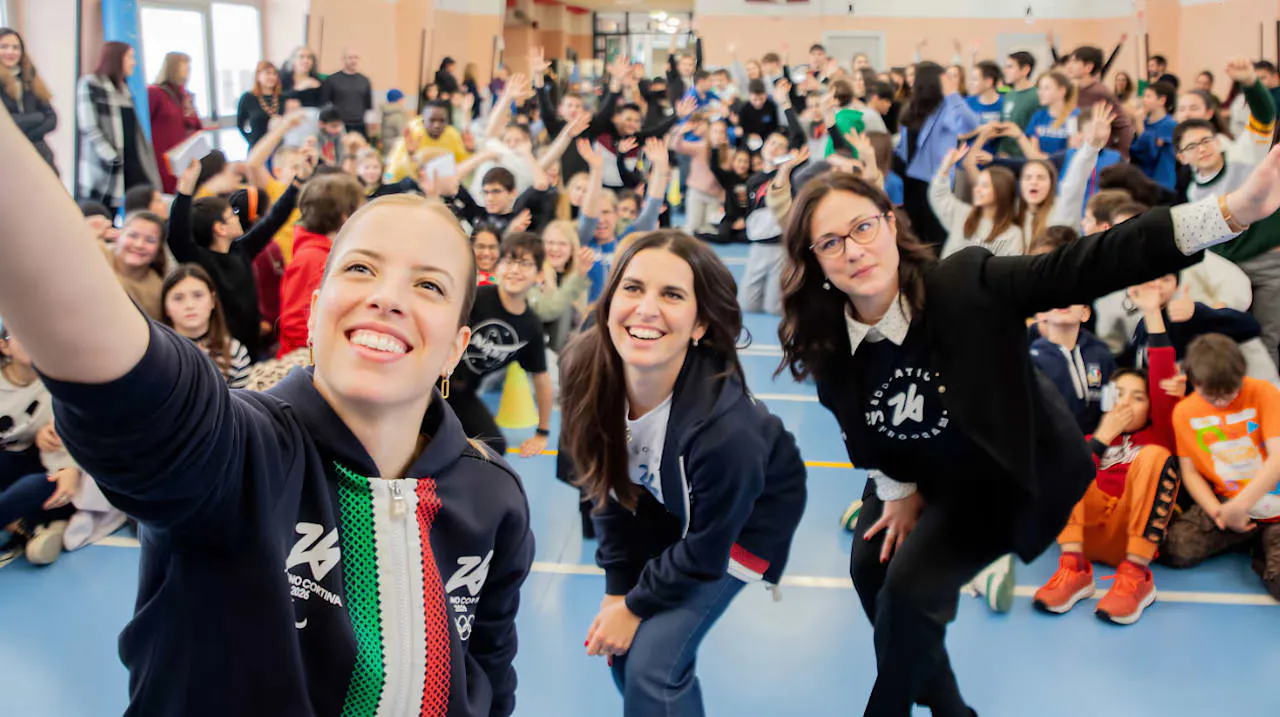
According to the International Olympic Committee, Milan Cortina 2026 activated over 330 initiatives dedicated to healthy lifestyles and inclusion, involved 1.5 million students through the Gen26 program, and reached more than 5 million people with "Italia dei Giochi". These numbers help interpret legacy as an already active network of places and educational programs, with communities continuing to carry forward a shared idea.
initiatives dedicated to healthy lifestyles and inclusion
students involved in the Gen26 program
people reached through Italia dei Giochi
For Milan, this transition is decisive. In a fast, attractive city, often marked by intense rhythms, commuting times, and significant differences between neighborhoods, well-being also becomes a matter of concrete urban design. We are talking about issues that raise questions and doubts related to how simple it is to walk, cycle, play sports near home, use a park, include an active break in the day, or simply find accessible opportunities for prevention and movement.
beds
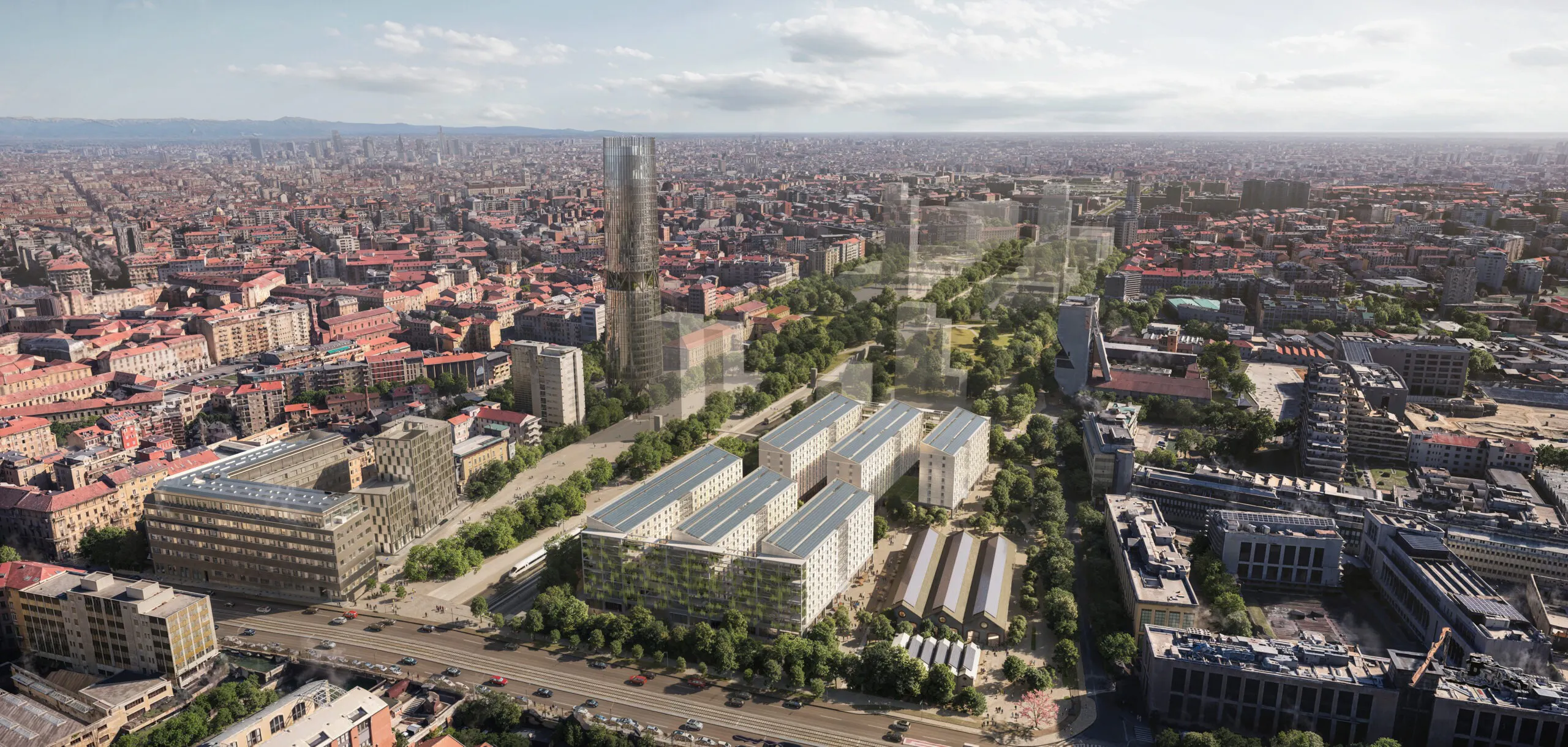
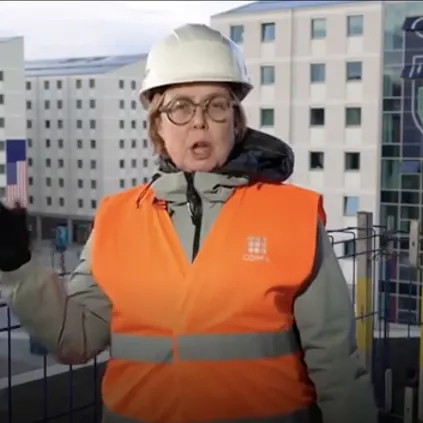
The Olympic Village in Porta Romana clearly illustrates how post-Olympic legacy can align with urban well-being. Built to welcome athletes and delegations during Milan Cortina 2026, after the Games it will become a university residence with about 1,700 beds in the new Scalo Romana district. The value of the project concerns not only the conversion of housing; it also speaks to how an infrastructure born for the Games can enter the daily life of the city: from studying to services, from common spaces to public green areas, up to new relationships within the neighborhood itself.
COIMA, which manages the regeneration project, presents the Village as a project conceived from the beginning "with legacy in mind", destined, therefore, to become the largest subsidized student housing in Italy starting from the 2026/27 academic year. Within a narrative about what tomorrow's Milan will be, also in relation to its Olympic and Paralympic version, Porta Romana represents a case capable of shifting legacy from the time of the event to the time of living. Well-being, here, concerns the quality of the environment that remains. From the possibility of living in a more accessible neighborhood to moving more easily, from finding nearby services to studying in shared spaces, essentially recognizing the city not just as a space to cross, but as a context that can help build relationships, autonomy, and quality of life.
Milan Seen from the World
For a few weeks, Milan entered an international narrative different from the one that usually accompanies it, namely that of a place strictly linked to fashion, design, work, and its economic speed.
Foreign publications described it as a metropolis called to withstand the impact of a major global event and, at the same time, as a place that had to show what concrete elements remain for the community when the event ends. Condé Nast Traveler described the Games as the most geographically widespread up to that moment, with Milan acting as the urban base for a Games experience extended between the city, the Lombard Alps, and the Dolomites. The piece reveals a city crossed by expectations, doubts, investments, and transformations, with an estimated 1.6 million spectators and, above all, with new rail connections, reinforced transport services, improved accessibility, and infrastructure designed to have lasting effects beyond the weeks of competition.
The narrative connects to the theme of physical well-being when talking about local legacies such as Generazione Sport, Fuori Campo, Gen26, and Let's Move, initiatives linked to movement, youth sports, accessible physical activity, and the use of public spaces. In this reading, Milan appears as a city using the Olympic opportunity to work on mobility, inclusion, and the conditions that make it easier to move every day, improving urban well-being from multiple perspectives.
Gen26 solidly demonstrates the transition from the Games to daily life. According to the IOC, the educational program of Milan Cortina 2026 involved 1.5 million students, bringing Olympic and Paralympic values into schools and learning paths. To this is connected Walking the Games, an initiative that transformed walking into a collective practice: 11,000 girls and boys covered over 1.3 million kilometers, and about three out of four participants declared they did more physical activity each week after the program. These data are useful because they shift the narrative from the dimension of the event to the construction of habits consolidated over time. The legacy, in this case, takes shape in moving bodies, participating schools, and young people discovering movement as part of their day.
figures for the Walking the Games initiative


The Associated Press views Milan through a longer trajectory: from Expo 2015 to today's Winter Games. The article's title speaks of a city that "bets on big events" to fuel the narrative of transformation into a global city, but the core of the story lies in the question regarding what remains. AP reports that, with the Games now closed, attention has necessarily shifted to the legacy and the ability to prove that the Games are about long-term results and urban redevelopment rather than just short-term spectacle. Traversing Porta Nuova, CityLife, Porta Romana, and Santa Giulia, it shows a Milan that has learned to use big events as accelerators for image, investment, and urban construction sites. The reference to the Olympic Village and the new attention to ice sports brings the discourse very close to daily life. The Associated Press also cites the revived enthusiasm for ice disciplines, a useful signal to read legacy as a demand for new and innovative spaces, for a different sports practice, also resulting from the excitement over field successes, with an extended sense of community and real post-event continuity.
This analysis, dedicated to spaces and renewed functions, is also addressed by Euronews, which explores legacy from a sustainability perspective. Here, the games are viewed and analyzed through the ability to reuse facilities and the capacity of infrastructure to remain useful to communities. Thus emerges a Milan - especially through the cited centrality of Porta Romana and Arena Santa Giulia - capable of developing places that project it toward a broader function, linked to sports, concerts, conventions, and shows. The point concerns the quality of permanence. The value of legacy depends on the ability of these spaces to remain accessible, active, sustainable, and integrated into the city.
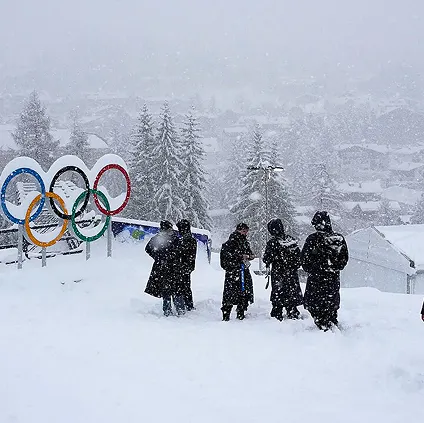
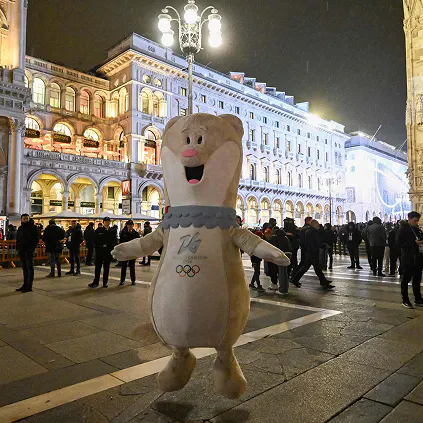
Alongside this more structural reading is that of a more unexpected Milan, described by foreign newspapers through street scenes, daily details, and side glances. Le Monde depicts the city as a sort of large Olympic and Paralympic urban park: Parco Sempione crossed every evening by families and visitors heading toward the cauldron at the Arco della Pace, fan zones with giant screens and simulators, lines at the official store, pin traders, and tourists recognizable by tracksuits, badges, and flags painted on their faces.
It is a curious, almost pop photograph of the Milan Games:
a city that for a few weeks saw its symbolic places change use, rhythm, and audience. The legacy here lies not only in the festive image of the city, in its appearing colorful and alive, but it is the possibility of recognizing public spaces as potential venues with a renewed function, crossed by new and changing energies, that makes the post-competition period equally valuable.
The point for the future is managing to understand how to retain something of this vitality that explodes beyond the time of the event. Making the city more open, more capable of inviting people to go out, walk, pause, and meet. In this perspective, the Milan of the Olympic and Paralympic Games leaves a useful image for Milan Wellness City 2030: a city that does not produce well-being only through services and infrastructure, but manages to do so also through the way it makes its daily spaces alive, accessible, and desirable.
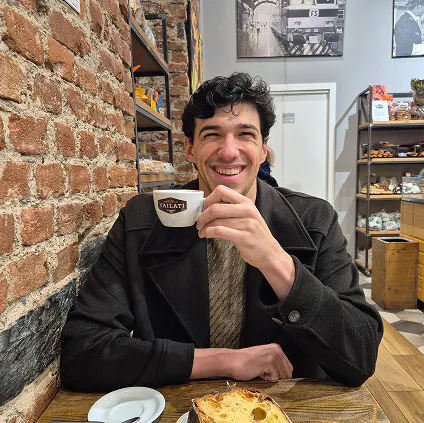
The Guardian, on the other hand, shows a more personal Milan through Simone Barlaam, a Paralympic champion raised in the city. His guide goes through less predictable places compared to the classic tourist narrative: NoLo, Paolo Sarpi, Parco Sempione, the Civic Aquarium, small venues, museums, and green spaces. In this perspective, Olympic and Paralympic Milan is not only the city of arenas and ceremonies, but also that of habits, personal trajectories, neighborhoods, and accessibility. Barlaam tells us of a largely accessible city, improved also in view of the Olympic and Paralympic Games. A bright outlook, certainly, but one that makes it even clearer that beyond the cultural legacy of the event, there is an unceasing need: to continue working so that Milan becomes an even more inclusive place for people with disabilities, not only in symbolic places, but in the paths, buildings, services, and public spaces of daily life.
how the international press tells the story of the Milano Cortina legacy
Story of Places That Remain
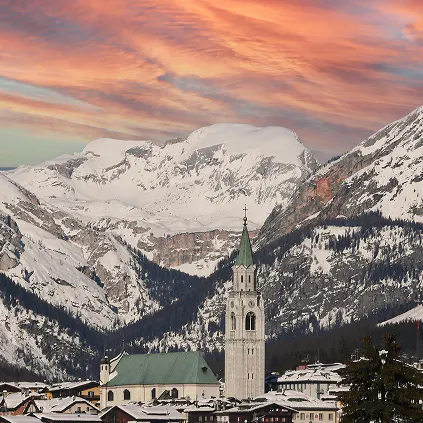
The Olympic and Paralympic Games tend to redraw the map of cities for a period. Some places are built exclusively for the competition, others are adapted, and still others remain out of the spotlight but change function over time. In Milan, the theme of legacy also passes through a by no means secondary question, namely: which spaces will continue to be used, crossed, and recognized once the Olympic calendar is over?
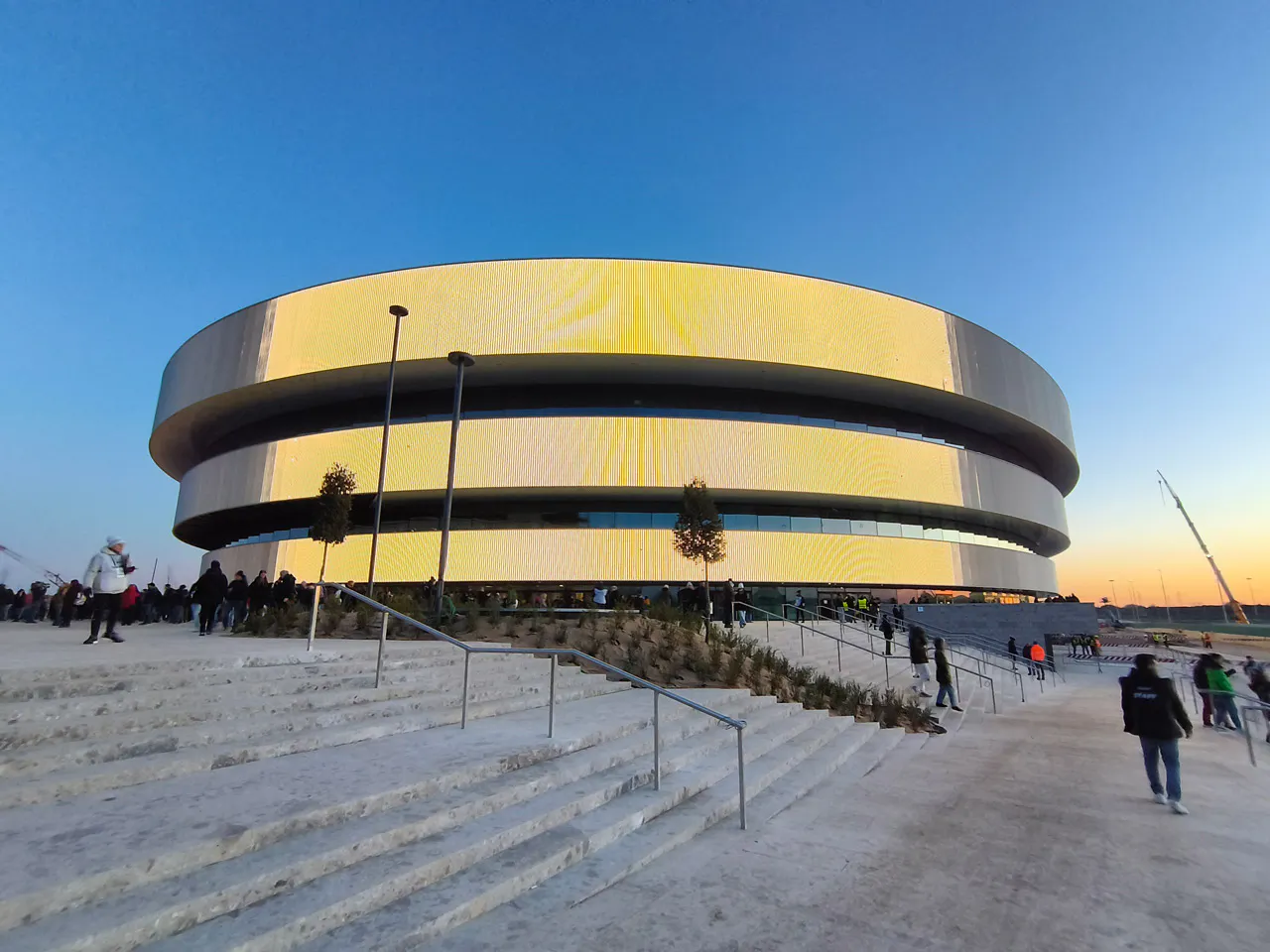
Let us take as an example the case of the Arena Santa Giulia, the new ice hockey venue in the district of the same name. Born to host one of the most-watched moments of the Games, the arena was designed to continue its life beyond the Games, with a broader urban function, closely linked to sport, certainly, but also to shows, concerts, events, and gathering opportunities. For Milan, it is precisely what happens next that is relevant. The Arena Santa Giulia was designed to host Olympic hockey, but its urban value - and the connected Olympic legacy - will depend on the frequency with which it is lived, crossed, and recognized as a place capable of aggregating social life through activities related to well-being and beyond.
In the project by David Chipperfield Architects, the Arena Santa Giulia is described as the center of the new urban district of Milano Santa Giulia: a 16,000-seat venue designed for sports, concerts, festivals, and cultural events. But it is after the Olympic use that its urban value becomes closely linked to the outdoor spaces, designed as places for social interaction for the neighborhood and the city, with a square of over 10,000 square meters usable for outdoor events.
Alongside the spaces already planned in the post-Games trajectory, "the aftermath" has also brought new questions to the table. The most interesting concerns ice sports. Reuters precisely reported Milan's intention to equip itself with a new permanent arena of about 5,000 seats, distinct from the Olympic and Paralympic facilities, designed specifically for hockey, figure skating, short track, and grassroots activities. A space smaller in size compared to the Arena Santa Giulia, which must necessarily deal with numbers quite different from those of the Olympic and Paralympic event. This is how functionality was considered; the guiding question was where athletes, clubs, and citizens attracted to ice disciplines could train, play, and grow. Thus was born the idea of a new place that could concretely carry forward the legacy of the Games, keeping the passion for winter sports alive and imagining a venue capable of transforming enthusiasm and curiosity into the possibility of continuous sports practice.
As shown previously, to these two cases is added that of the Olympic Village in Porta Romana, which introduces another form of permanence. Transformed into a university residence with about 1,700 beds in the former railway yard area, it builds its post-Olympic and Paralympic legacy by looking at urban well-being through housing, study, services, common spaces, and connections with the neighborhood. A structure temporarily linked to the competition enters the ordinary time of the city, becoming home, proximity, and a space for relationships.
What do Olympic stories leave us?
Alongside the legacy of spaces, there is a memory that passes through images seen from home, in bars, in schools, and, why not, in workplaces and on tiny screens during a break. The Olympics and Paralympics, after all, are precisely this: time standing still, attention consumed by the epic deeds of athletes. Italy closed the Olympic Games with 30 medals, 10 golds, 6 silvers, and 14 bronzes, surpassing the previous winter record recorded in Lillehammer in 1994. At the Winter Paralympic Games, the Italian team achieved the best result in its history, with 16 medals, including 7 golds. Among the strongest images remains that of Federica Brignone, two golds in alpine skiing between giant slalom and Super-G, after a recovery path that transformed victory into a story of sacrifice, rebirth, self-confidence, and return. Alongside her, running and winning on ice, remains the double feat of Francesca Lollobrigida in speed skating: first the gold in the 3,000 meters, with an Olympic record and the first Italian title of the Games, arriving on her 35th birthday; then the encore in the 5,000 meters, five days later, transforming a discipline often far from the mainstream popular narrative into a national scene.
The images of Arianna Fontana remain impressed in everyone's memory: gold in the mixed relay, and silver in the 500 meters and the women's 3,000-meter relay, becoming the most decorated Italian athlete ever at the Games. A record hard to forget. And how can we forget the suspense with which we watched the men's bronze in the 4×7.5 km cross-country skiing, with the relay team formed by Elia Barp, Martino Carollo, Davide Graz, and Federico Pellegrino, arriving after an unexpected comeback against Finland. From the Paralympics comes one of the most intense images of the latest edition, that of Giacomo Bertagnolli in paralympic alpine skiing, where speed and precision are born from the relationship with the guide, from trust, listening, and the ability to build a shared trajectory. His deeds are joined by those of René De Silvestro, gold in the sitting giant slalom in front of the home crowd, on the snow of Cortina. In his way of taking on the track, there is a great lesson, namely that speed does not erase fragility but governs it and transforms it into technique and autonomy.
Italian medals at the Olympic and Paralympic Winter Games 2026


The cultural legacy is born and passes also through this sudden familiarity. For a few weeks, names, faces, and technical gestures enter the conversations of those who do not normally follow winter sports, becoming familiar matter. A turn on skis, an overtake on ice, a relay team that does not give up, a paralympic descent based on trust, become recognizable images, storytelling material, possibilities to imagine something unspeakable. The Paralympics add a necessary dimension to this heritage, where sport, accessibility, autonomy, and representation meet to show themselves to a wider audience, prompting the city to question how inclusive it truly is in everyday life. It is also from here that Milan Wellness City 2030 can harvest the legacy of the Olympic and Paralympic Games: transforming the emotion of those who watched into a more widespread culture of movement, participation, and the right of every person to experience the city as a place of well-being.
From the Big Event to Daily Life
From places, the narrative shifts to daily gestures. Milan Cortina 2026 brought athletic performance to the center of public attention; the next step concerns the possibility of transforming that energy into daily movement, accessible to as many people as possible and built through proximity. In Milan, this theme carries particular weight. The city thrives on repeated journeys, long days, home-work commutes, compressed free time, and differences between various neighborhoods. In this context, urban well-being is also measured by the ease with which a person can walk, cycle, use a park, play sports near home, insert an active break into the day, and find opportunities for prevention and movement without having to step out of their routine.
EUROPEANS WHO NEVER EXERCISE OR PLAY SPORT
ITALIANS WHO SAY THEY NEVER PLAY SPORT
ITALIANS WHO PLAY SPORT REGULARLY
The European comparison helps measure the scale of the challenge. According to a Eurobarometer report dedicated to sport and physical activity, 45% of Europeans state they never exercise or play sports, while 38% practice activities at least once a week. Only 6% reach a very high frequency, equal to five times a week or more. In Italy, the picture is even more fragile: 56% declare they never practice sports, eleven points above the European average, while only 3% say they practice regularly. The datum does not just tell of an individual choice; these are numbers that allow drawing a picture of the needs related to movement. There is a need for time, proximity, access to spaces, a culture of prevention, and the presence of safe and recognizable places where to move. To this European snapshot is added that of the first Milan Wellness City report by the Wellness Foundation, which links the legacy of Milan Cortina 2026 to urban health. Milan records a high life expectancy, equal to 82.7 years for men and 86.7 for women, but significant fragilities remain: in Lombardy, one in four people is physically inactive and, in Milan, less than one child or adolescent out of ten performs sufficient physical activity.
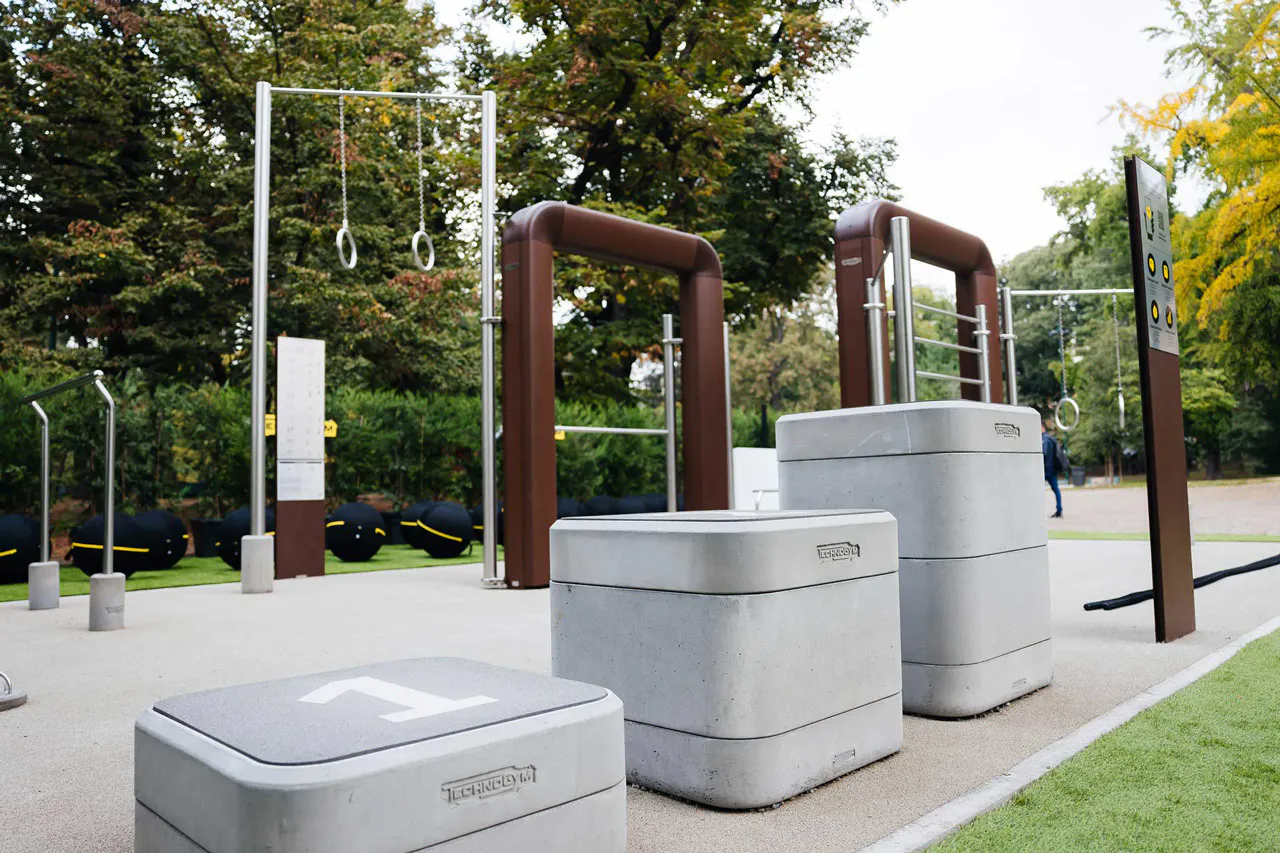
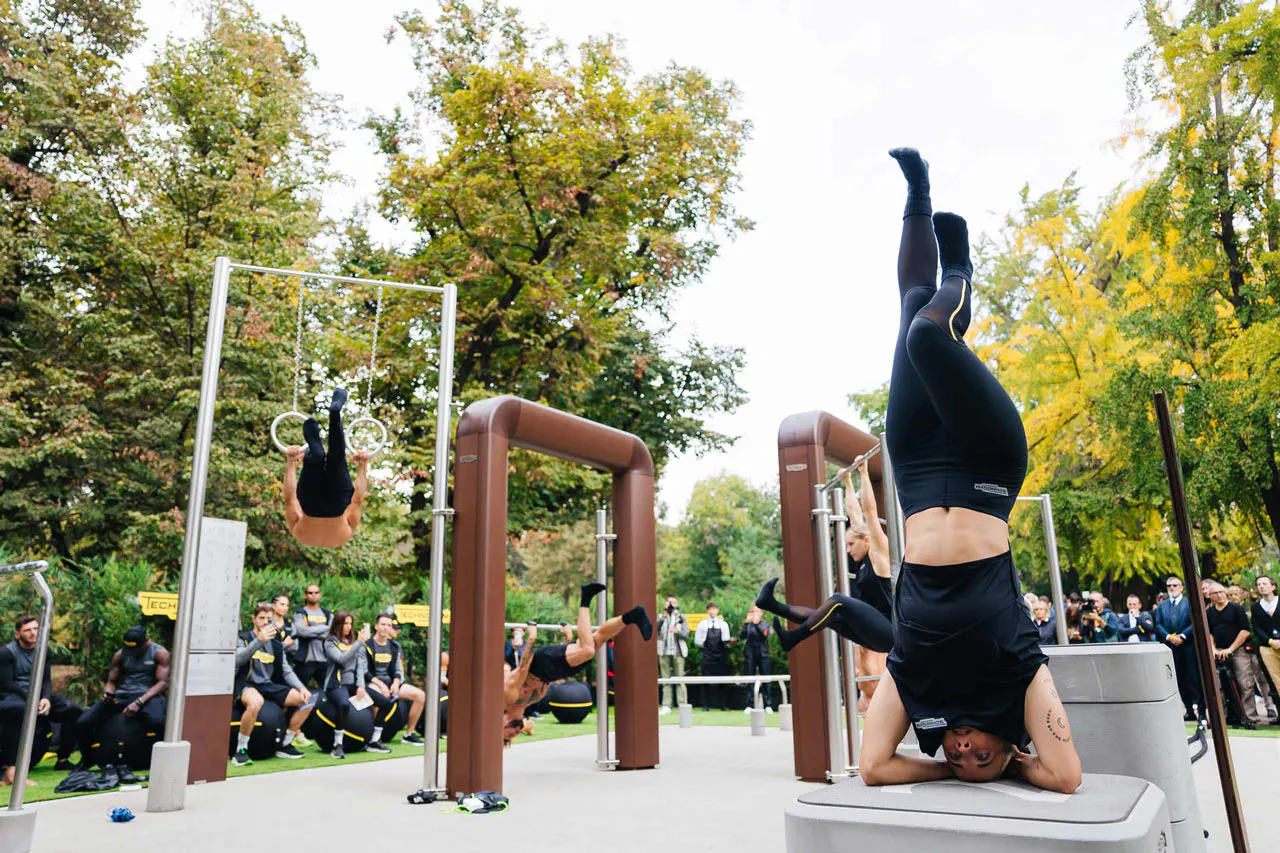
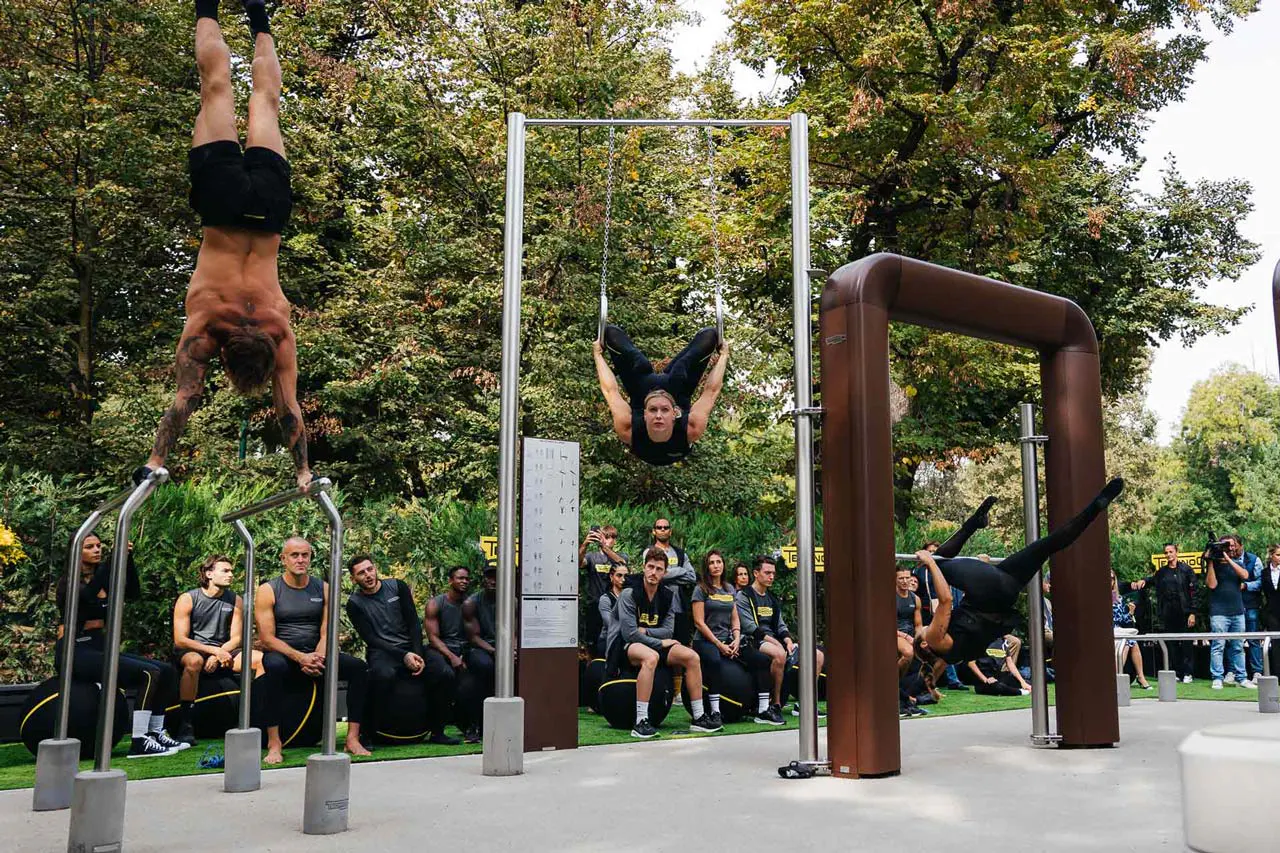
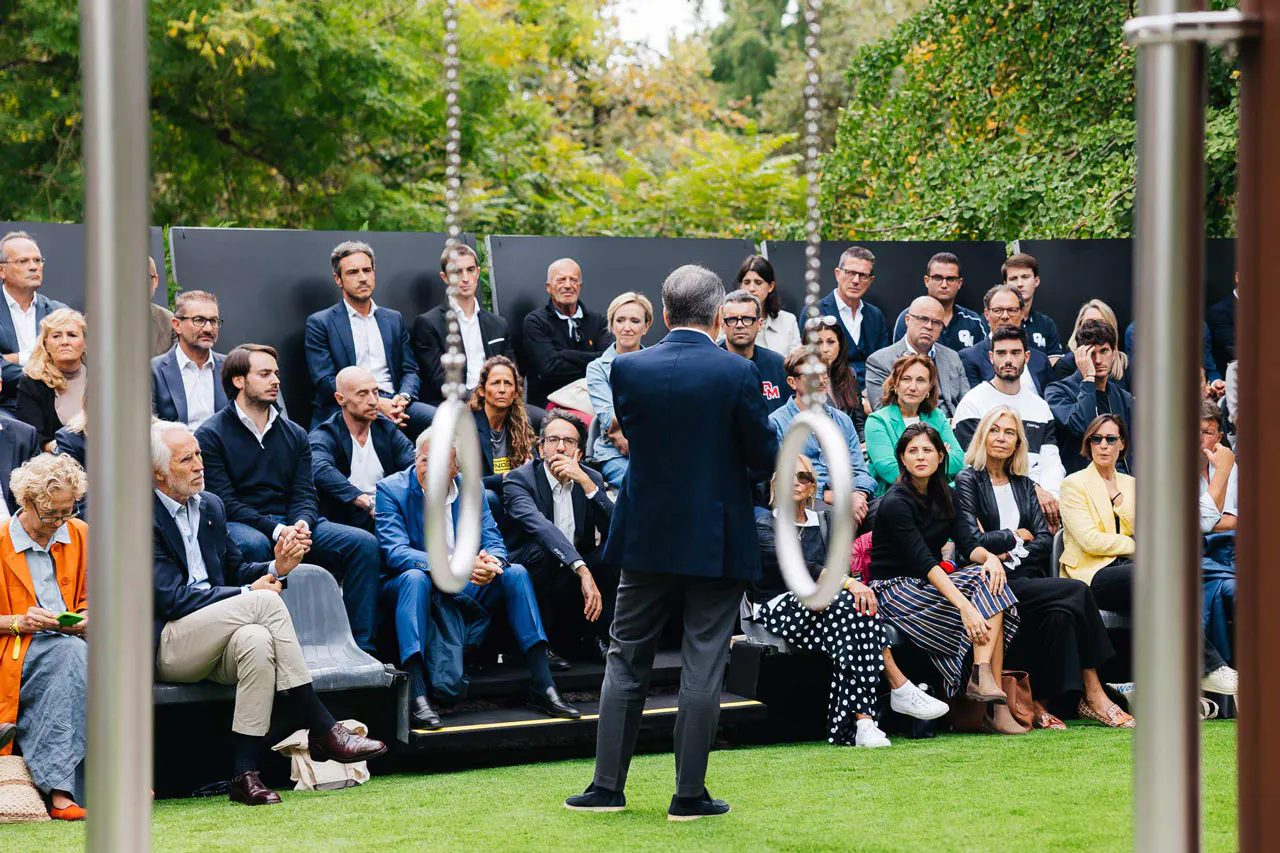
The post-Games period works and must continue to work precisely in this groove. The IOC article dedicated to the "healthy society" recounts the legacy of Milan Cortina 2026 through schools, workplaces, and communities. Gen26 involved over 1.5 million students; Walking the Games led 11.000 girls and boys to walk more than 1.3 million kilometers, with 75% of participants stating they did more physical activity each week after the program; Go for 30 reached over 430,000 workers, promoting 30 minutes of daily movement. These are numbers that bring legacy back to more concrete parameters. Not that of global images, nor that of great arenas, but that of bodies moving during a day, of schools transforming sport into education, and of workplaces trying to reduce sedentary behavior. Of neighborhoods that can truly become accessible and activating. This is where Milan Wellness City 2030 finds one of its clearest directions, namely ensuring that the energy of the Games does not remain a collective memory, but becomes a concrete urban practice. Walking more, moving better, using public spaces, and recognizing well-being as part of ordinary life. After the Games, the city truly continues to train when it makes it easier for everyone to choose a day where sport exists and can be chosen without too much effort.