AMIS - The well-being just a few steps from home
7 giugno 2025
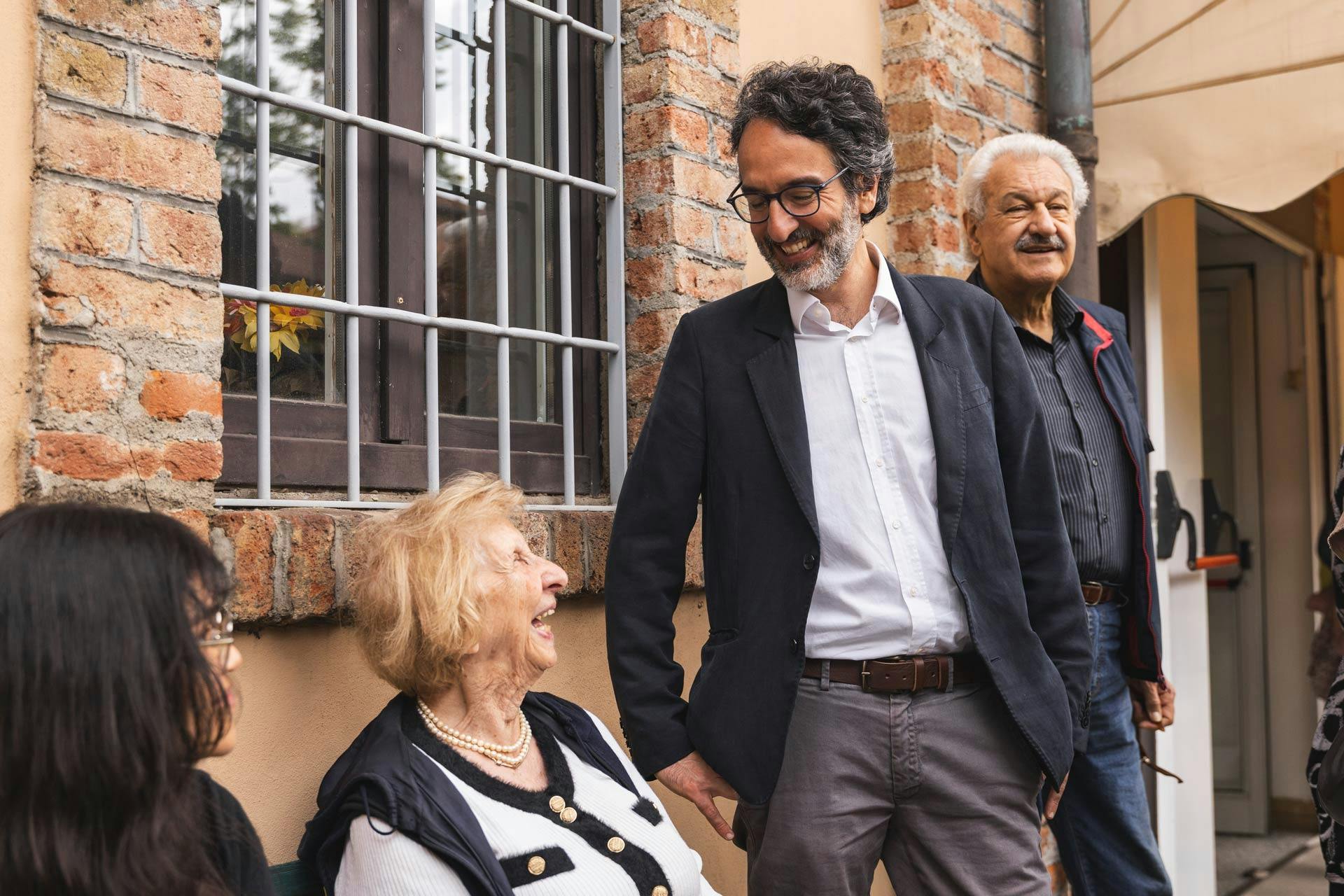
Interview with Lamberto Bertolè, Councillor for Welfare and Health of the Municipality of Milan, and Carlo Marchetti, President of Fondazione Comunità Milano.
There's a Milan that's aging. And a Milan that's responding.
In a city where over 40% of those over 75 live alone, time is no longer just a matter of age: it's a matter of space, proximity, and relationships. In Milan, aging is an increasingly urgent issue. The numbers show it, but even more so, the daily lives of thousands of lonely, often invisible people who silently inhabit the city tell the story.
It is to them that AMIS, "amico" (friend in Milanese dialect) - Attività e Movimento Insieme per la Salute (Activities and Movement Together for Health) - is addressed. This is the new project of the Municipality of Milan, in collaboration with the Wellness Foundation and with the contribution of Fondazione di Comunità Milano.
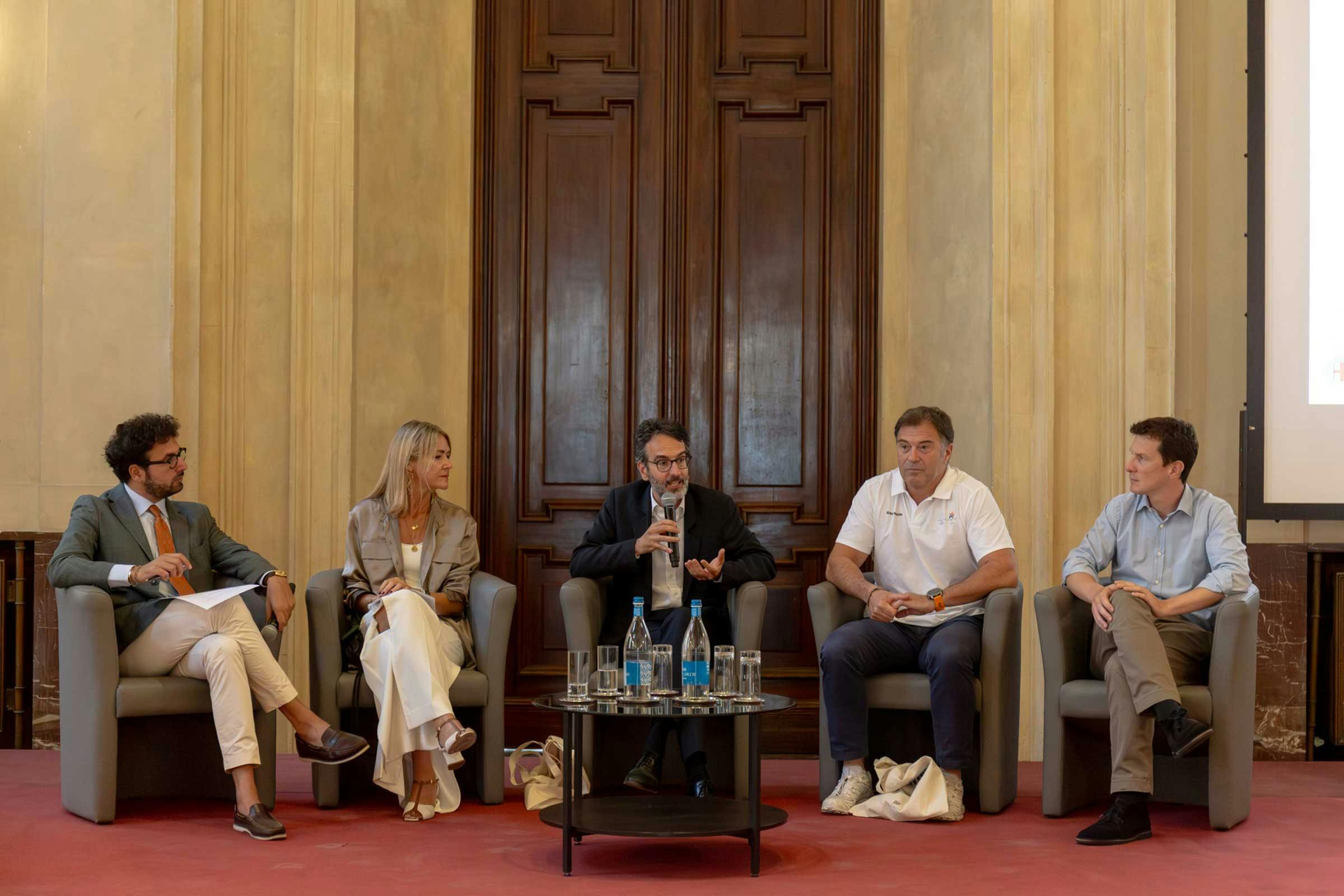
"The AMIS project stems from the awareness that health is not merely the absence of disease, but a state of complete physical, mental, and social well-being, as defined by the World Health Organization (WHO, 1948),"
Lamberto Bertolè
Councillor for Welfare and Health of the Municipality of Milan "In this sense, regular physical activity, social interaction, and roots in one's living environment represent three fundamental pillars for promoting active aging and preventing forms of fragility and isolation, which too often affect the urban elderly population."
These are fundamental issues to resolve because, as Carlo Marchetti, president of Fondazione di Comunità Milano, explained: "There are approximately 180,000 residents in Milan who are aged 75 and over, making up 13% of the city's inhabitants. Young people between 5 and 14 years old are 115,000, or 8% of the Milanese population. In short, mature Milanese are about to double the 'grandchildren' generation. If we want to respond to the emerging needs of the city and anticipate them, we need to optimize opportunities for health, participation, and awareness for aging people to improve their quality of life and that of the community. The AMIS project goes in this direction, and that's why we wanted to support it through our Call 57, in continuity with the actions that Fondazione di Comunità Milano carries out for the silver age."
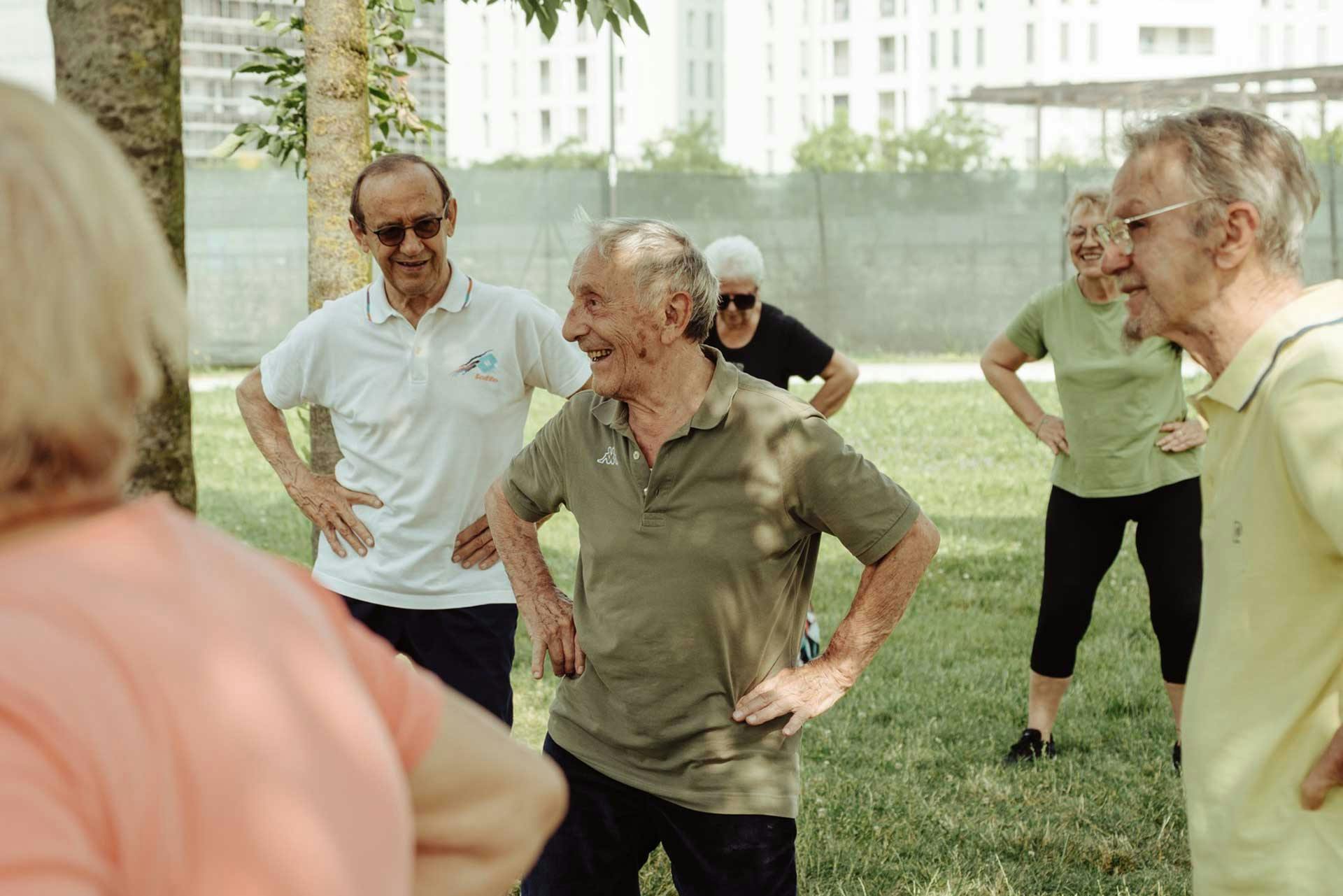
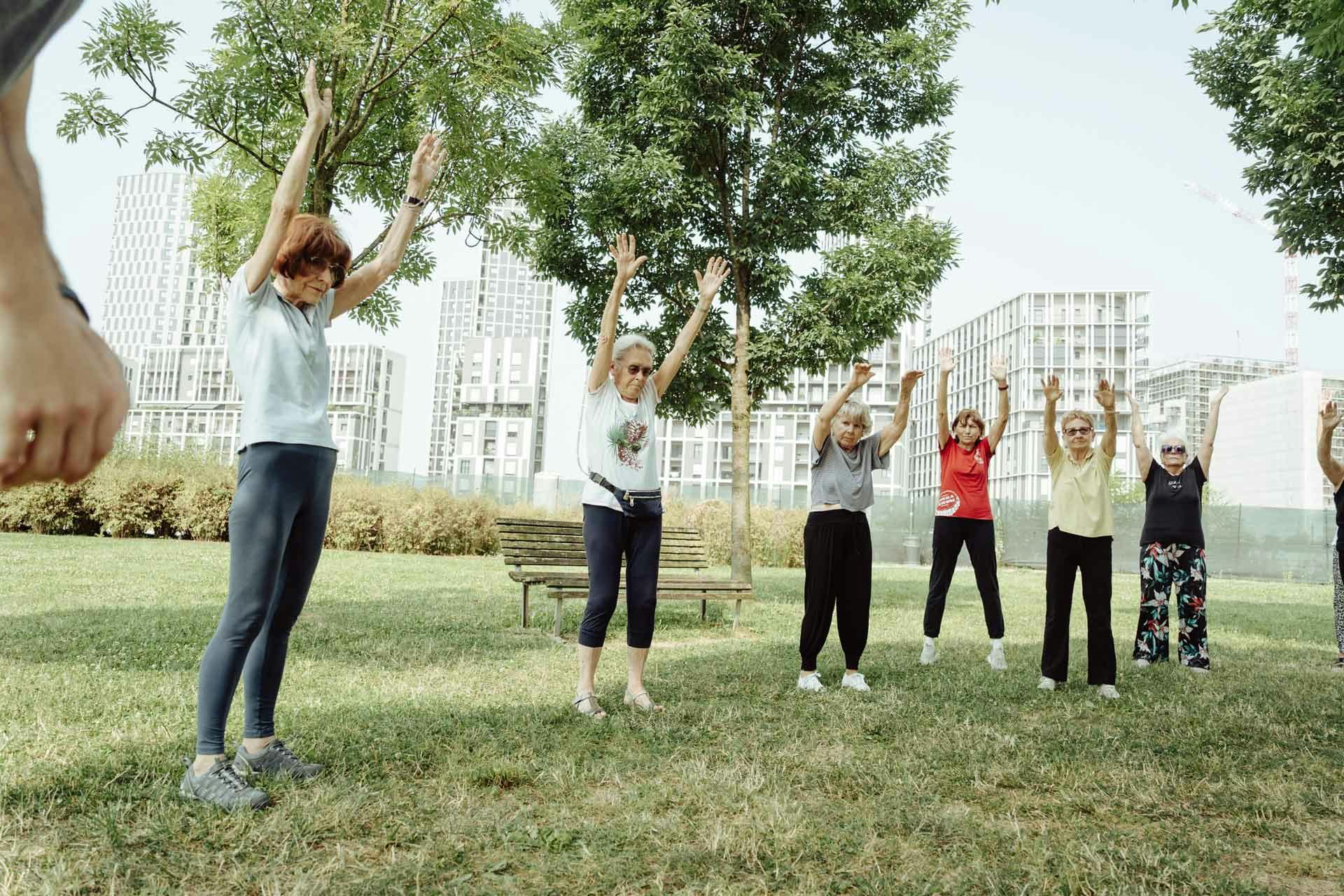
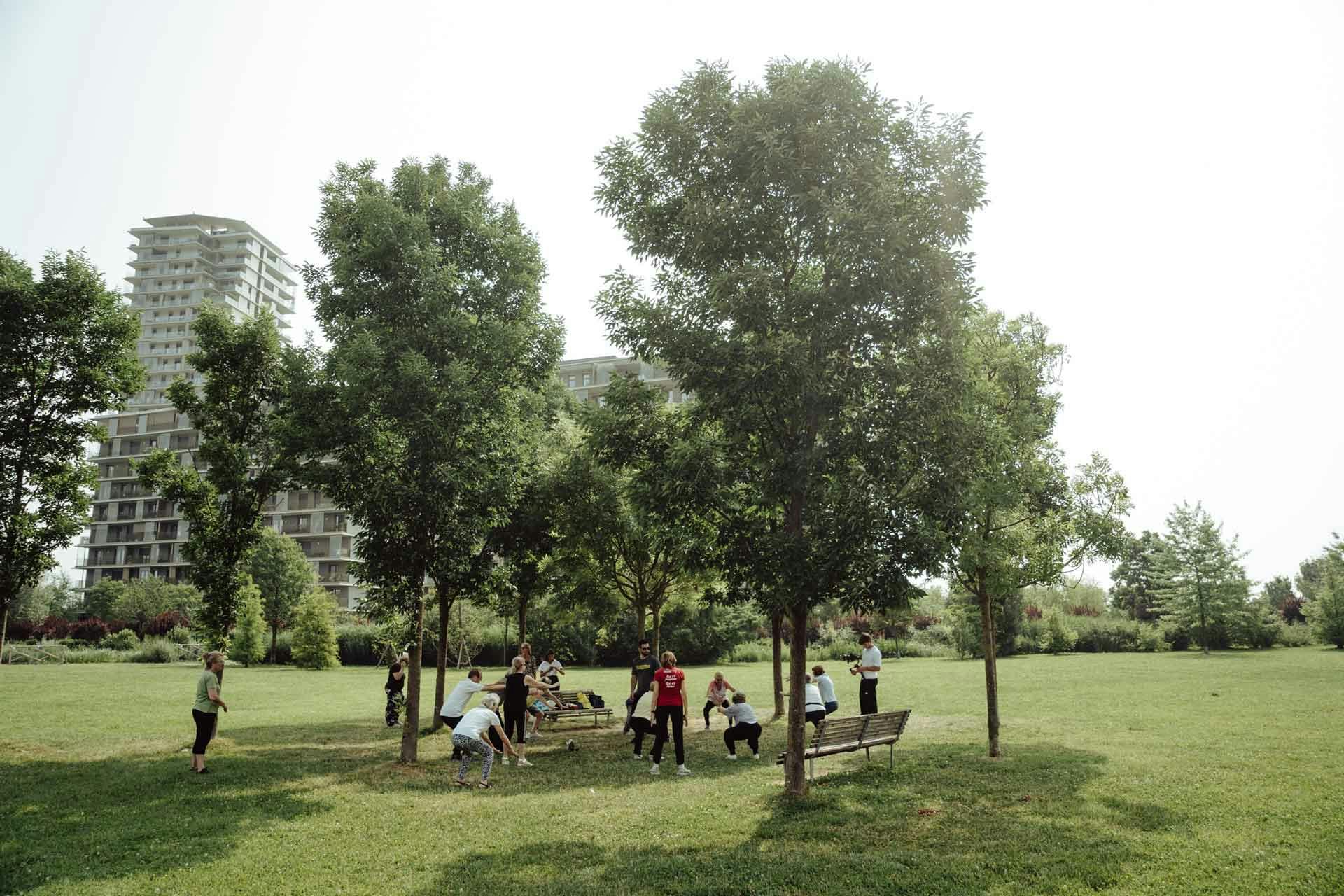
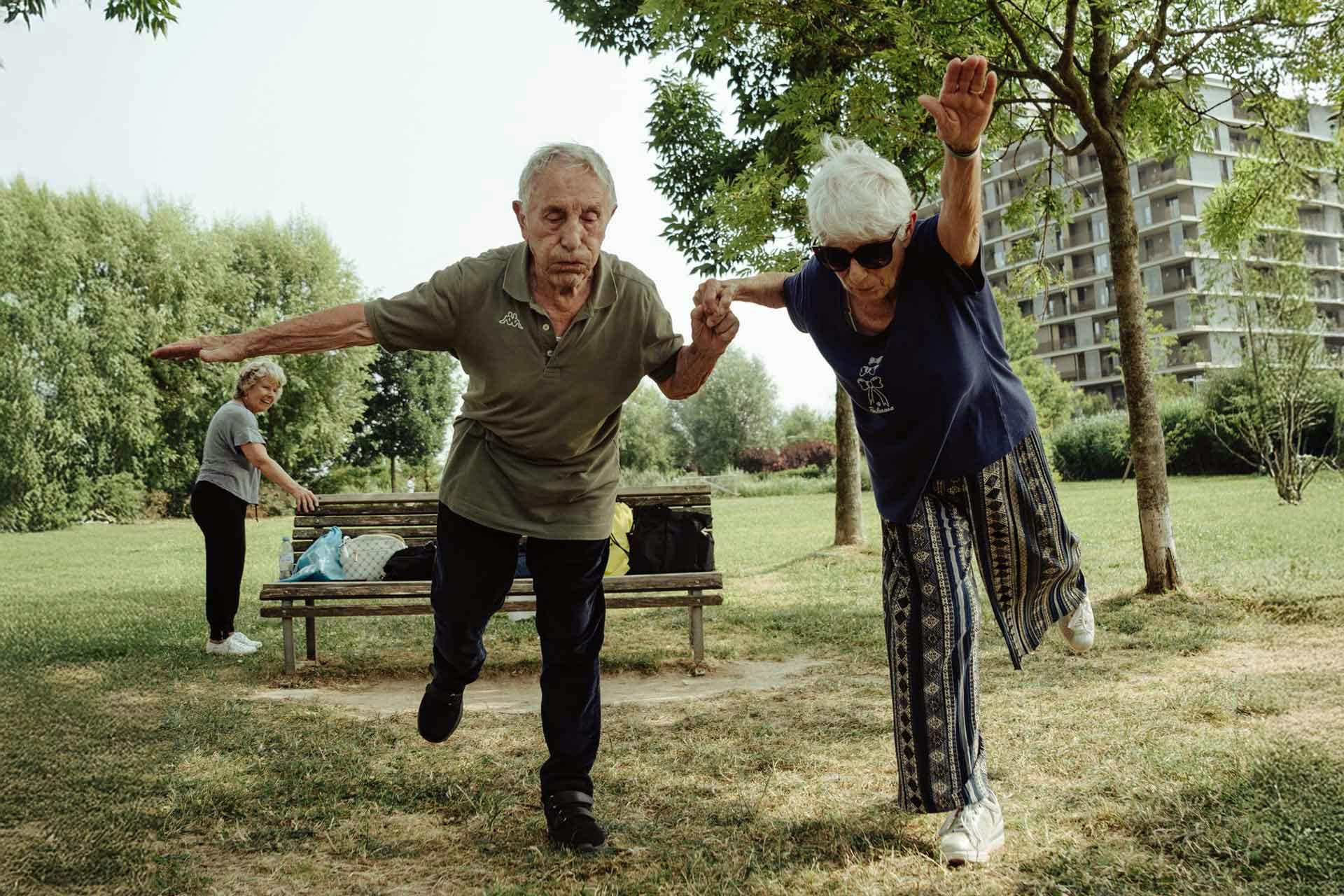
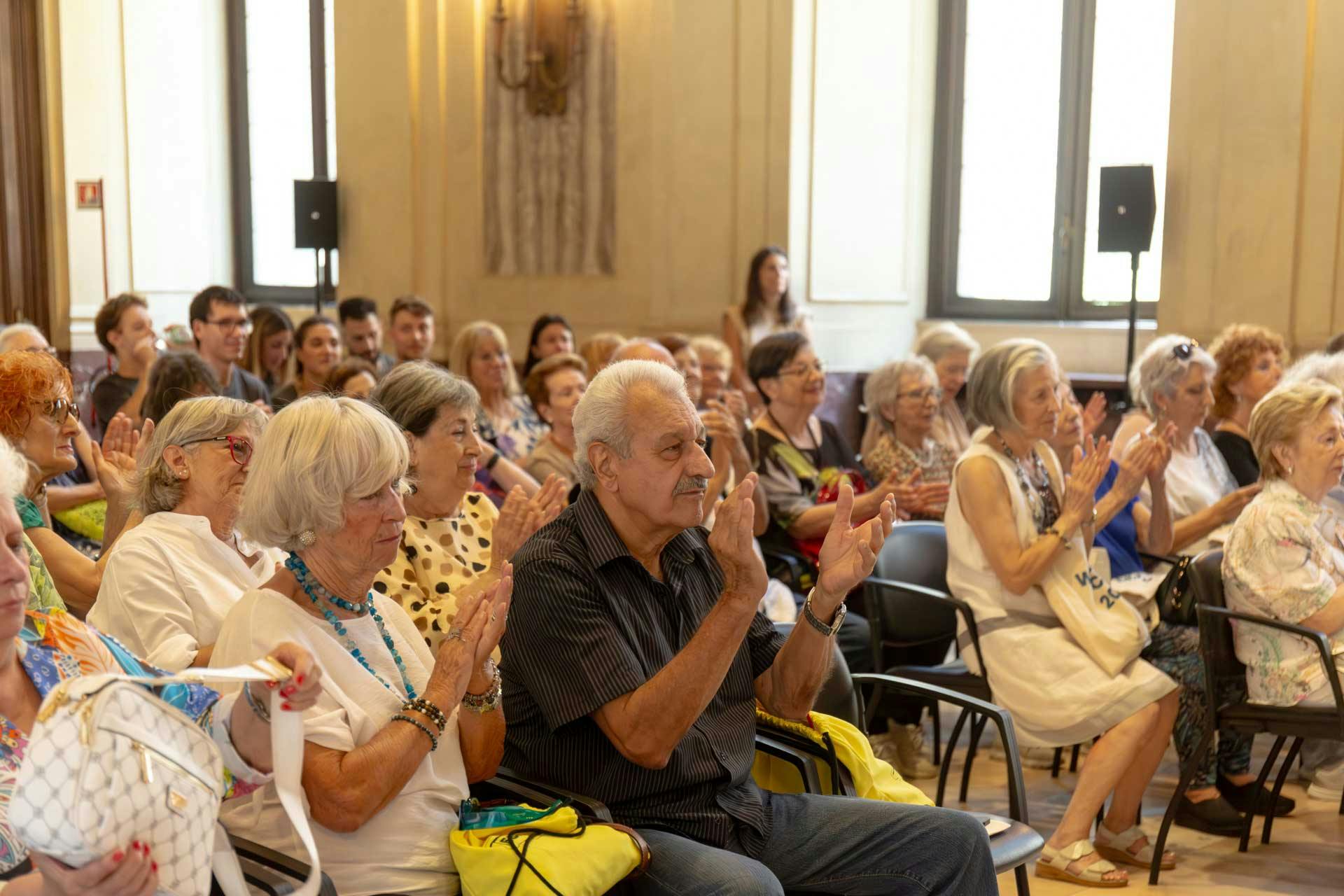
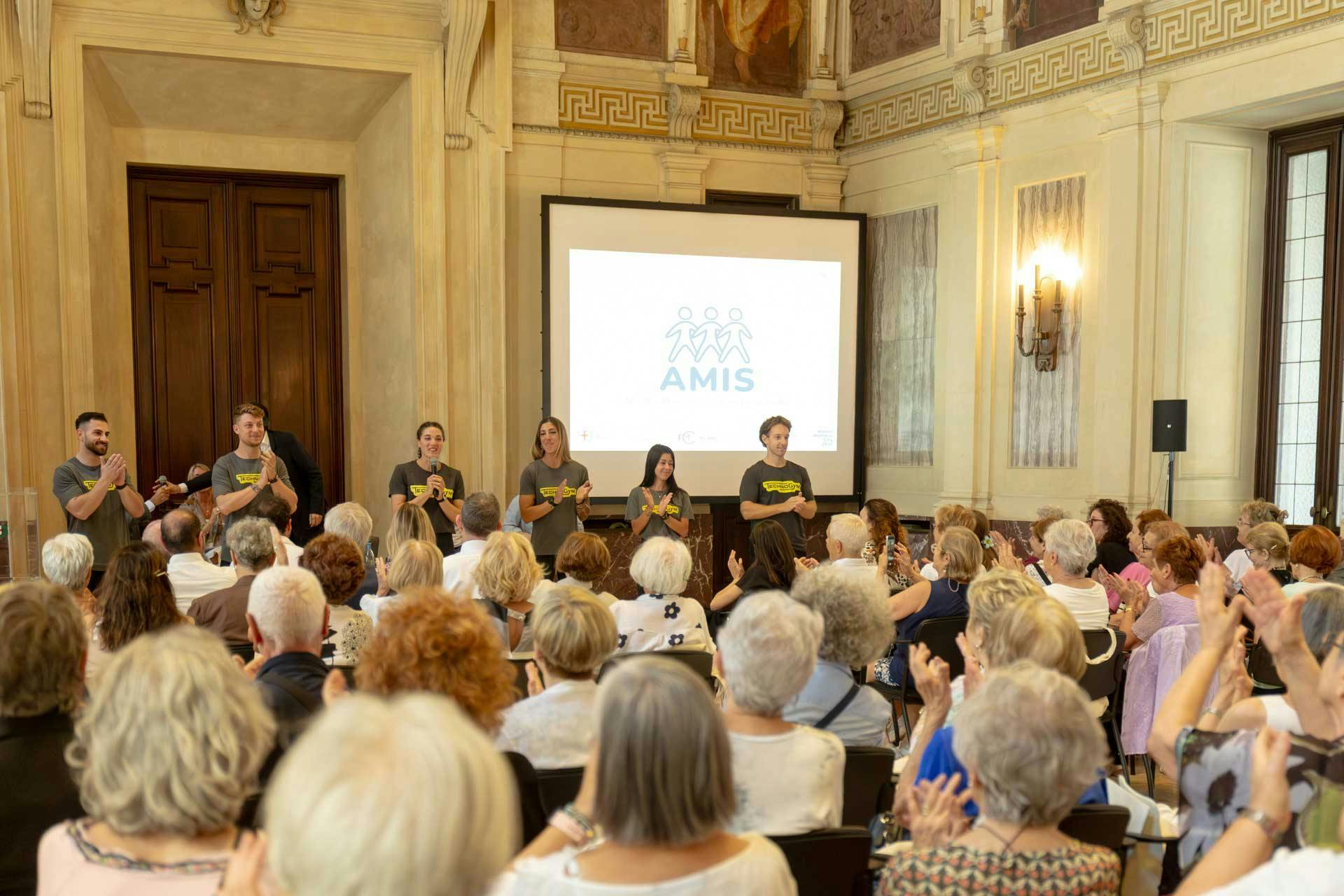
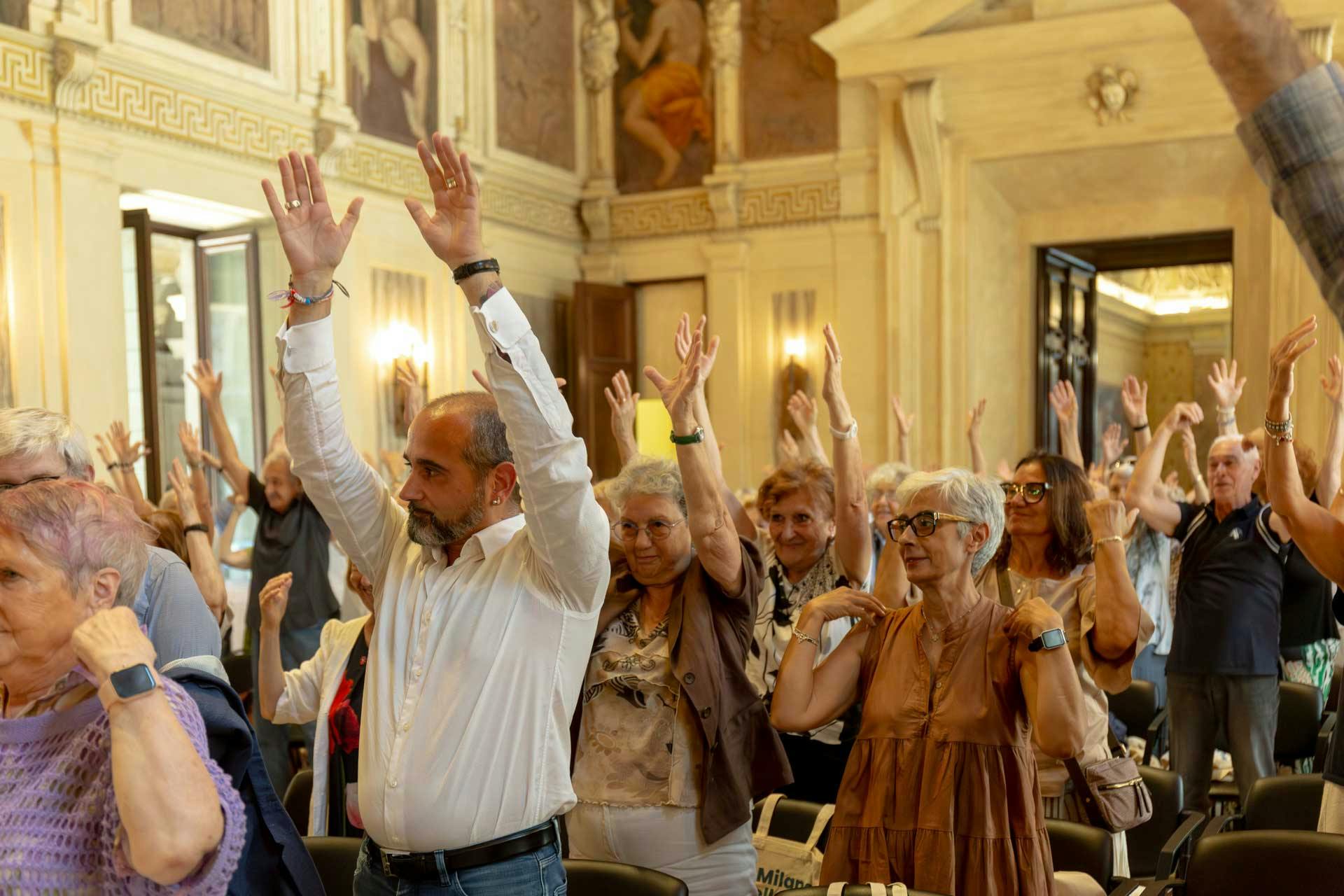
The AMIS project is active from March to July 2025 in four Neighborhood Houses in Municipalities 3, 7, 8, and 9: Feltre, Caio Mario, Appennini, and Val di Bondo. The goal? Certainly to promote active aging and combat social isolation, through a free program of physical activities, social moments, and informative meetings on healthy lifestyles. A concrete way to tackle challenges such as physical decline, loneliness, and a sedentary lifestyle in these areas.
The initiative starts from a simple idea: moving together is good. Under the guidance of young trainers with degrees in Exercise Science, over 65s participate weekly in two-hour sessions that include a walk, balance and strength exercises, a healthy snack, and moments of discussion on the pillars of wellness: movement, nutrition, rest, and a positive mental attitude. This formula derives directly from the "Sempreverdi, sempre in forma" (Always Green, Always Fit) experiment, launched in 2024 with excellent results.
Councillor Bertolè also emphasized:
"In a society where, in just over twenty years, single-person households in Milan have become the majority, fighting loneliness and trying to postpone the moment when elderly people become non-self-sufficient is one of the most significant challenges of our time. In this sense, AMIS is certainly a project that pursues both these objectives. The fact that it takes place in the newly established Neighborhood Houses helps us to make them known as local hubs and places that offer opportunities for everyone."
Lamberto Bertolè
Councillor for Welfare and Health of the Municipality of MilanTo evaluate the impact, AMIS includes voluntary tests on strength and mobility, and the completion of questionnaires on mental well-being, loneliness, and lifestyle. But the Municipality also looks beyond quantitative indicators.
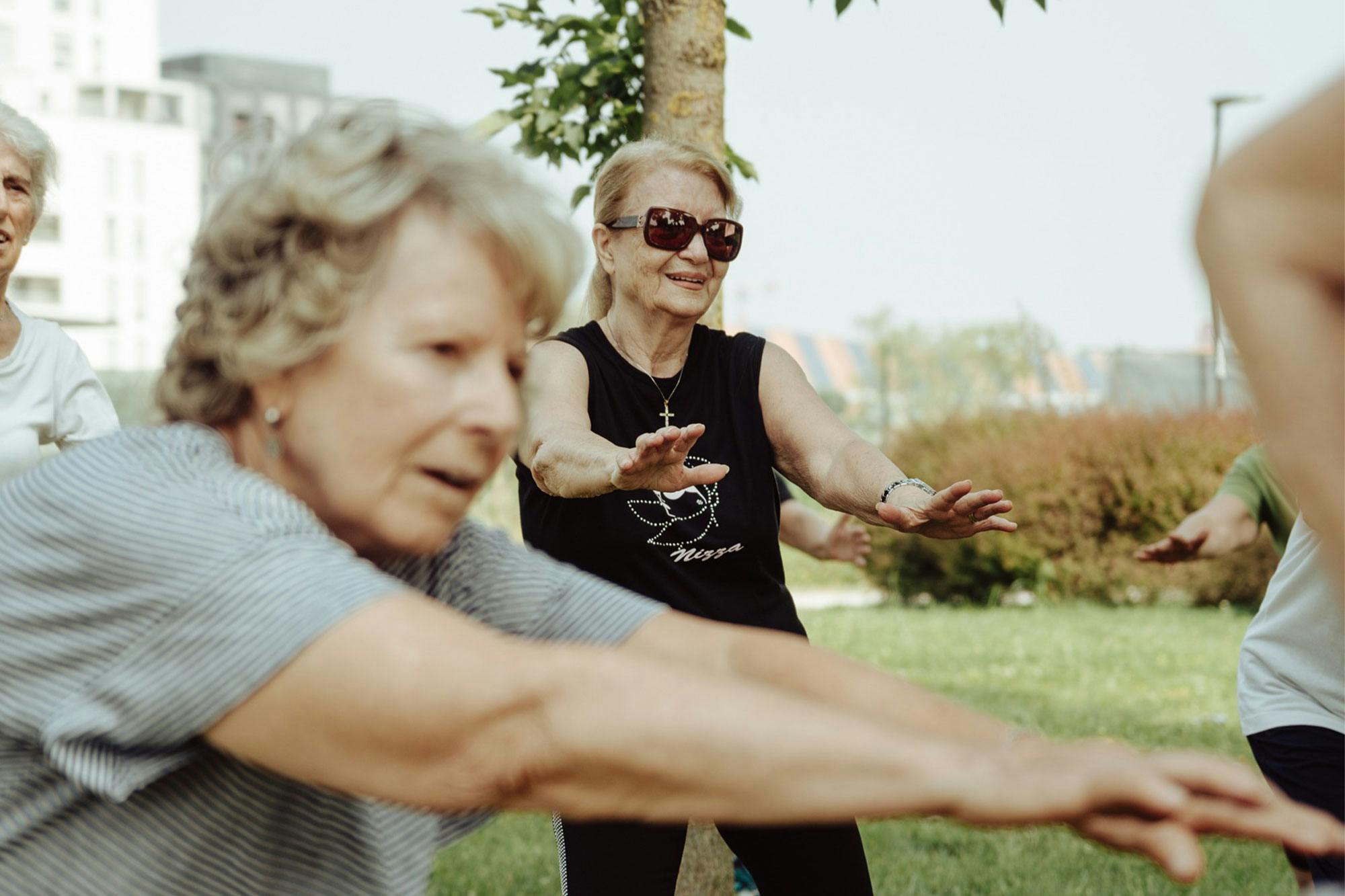
As Bertolè further explained: "For us, evaluating a project like AMIS means not only collecting numbers but also measuring the human and social value of what happens when a person gets back on track – physically and symbolically – within a community. Our goal is to understand if these activities can make people feel more alive, more autonomous, more connected to others. And if, thanks to this, not only their health but also the quality of their daily lives improves. For this reason, alongside more traditional monitoring tools, we have chosen to pay attention to the participants' experience: if they feel safer moving around, more motivated to take care of themselves, more capable of building relationships. These are the signals that tell us that an intervention works, that it is generating transformation."
Finally, for Bertolè, AMIS represents a starting point: "We want AMIS not to be an isolated experience, but a starting point. An opportunity to make the Neighborhood Houses known, to create new bonds, to stimulate active participation that can continue over time. In this sense, the impact we want to measure is also on the community fabric: on the ability to create a more welcoming, closer, fairer city. Only in this way can we truly speak of public health: when we promote living conditions that allow everyone to age with dignity, autonomy, and meaningful relationships."
Looking to the future, Fondazione di Comunità Milano envisions a possible extension of the project. As Carlo Marchetti explained:
"We hope that AMIS will be supported by new donors so that it can continue its wellness education actions. Regarding services for the elderly, Fondazione di Comunità Milano has identified the demographic winter as a challenge in its 2023-2026 programmatic plan. We began our work with an experimental project in Municipality 9 of the city, which has the largest number of people over 75 living alone. It seems useful to start there to test a model and see if it is effective and replicable."
Among these experiments is also "Indovina chi viene a casa" (Guess who's coming home), as Marchetti further described:
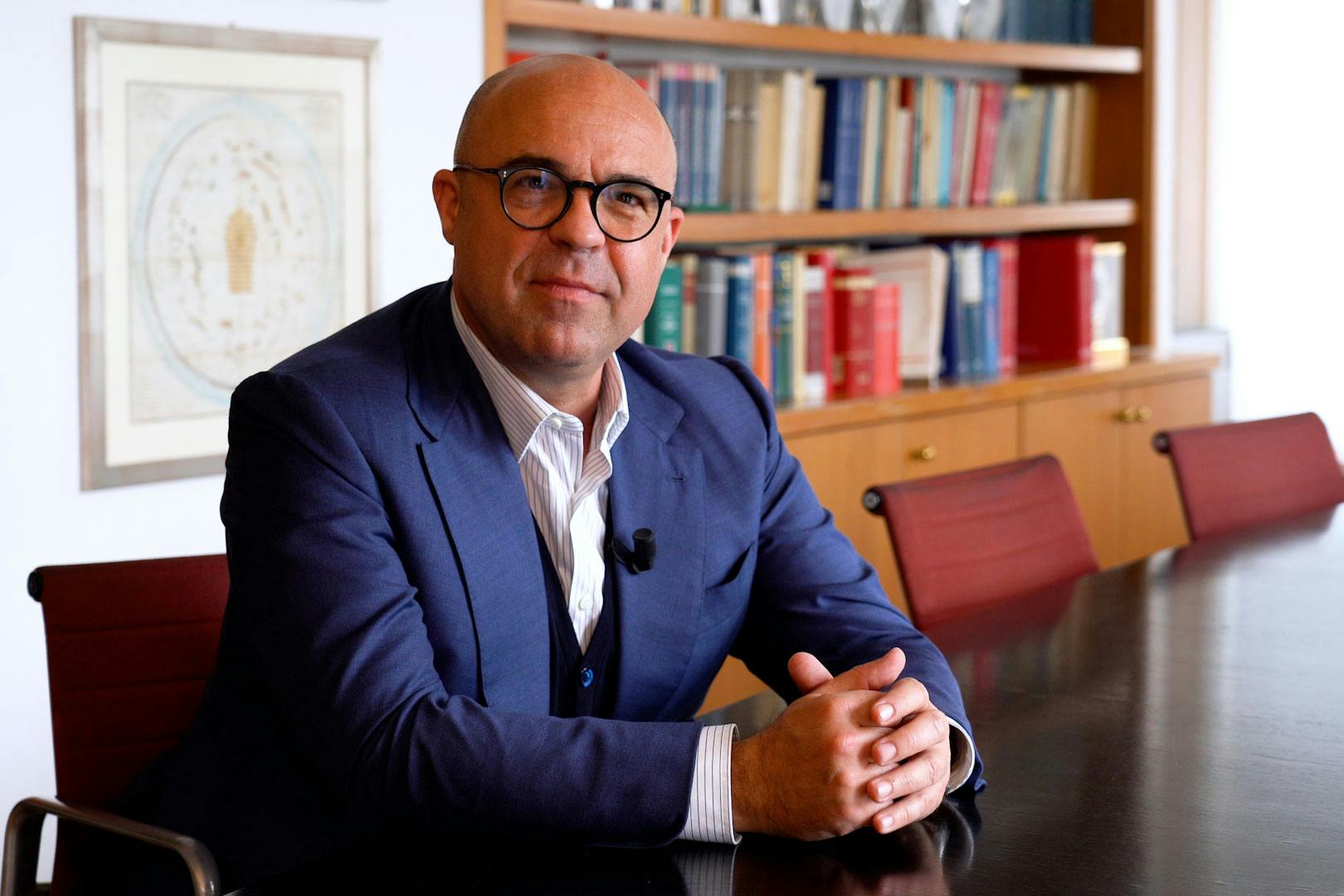
"To date, we have 50 elderly people followed and as many volunteers. By the end of the year, we aim to reach 80 'pairs.' The project idea can be summarized in two words: care and sociality. Afternoons of chatting, accompaniment to medical visits or errands outside the neighborhood, outings to the theater if the elderly person feels up to it, all thanks to volunteers supervised by social workers. The novelty of the project is domestic maintenance. It is not uncommon for lonely elderly people to live in aging homes that become less welcoming precisely when those who live there become more vulnerable. Hence the idea of taking care of repairs and tidying up apartments thanks to the work of the social enterprise Bottega di quartiere. To answer your question, I believe that this type of 'zero-kilometer' territorial welfare intervention works and can be replicated by involving new Municipalities."
Carlo Marchetti
President of Fondazione di Comunità MilanoWith AMIS, therefore, Milan is not just building health: it is building bonds, trust, and mutual recognition. In a word, community.