A week of work in balance
8 maggio 2025
Two friends, two different lifestyles, one city in transformation. In Milan, amid hectic routines and new models of well-being, a more human vision of work is taking shape. The Milano Wellness City 2030 project aims to make it a reality.
Sara is heading home to her small one-bedroom apartment in the Loreto area of Milan. It’s 7:00 PM on a Friday. The work week is over, but despite the weekend’s arrival, her thoughts are already on Monday and the tasks she couldn’t complete. She wants to go to the gym, but she’s so exhausted that she opts for the couch instead. She hopes to leave work behind, but she can’t. From the corner behind the pillow she uses to block out the world, she sees the washing machine and remembers she has to hang the laundry she purposely started that morning before going to the office. Then there's dinner to prepare, the apartment to tidy up, and her beloved cat who’s run out of food. An endless whirlwind of things to do.
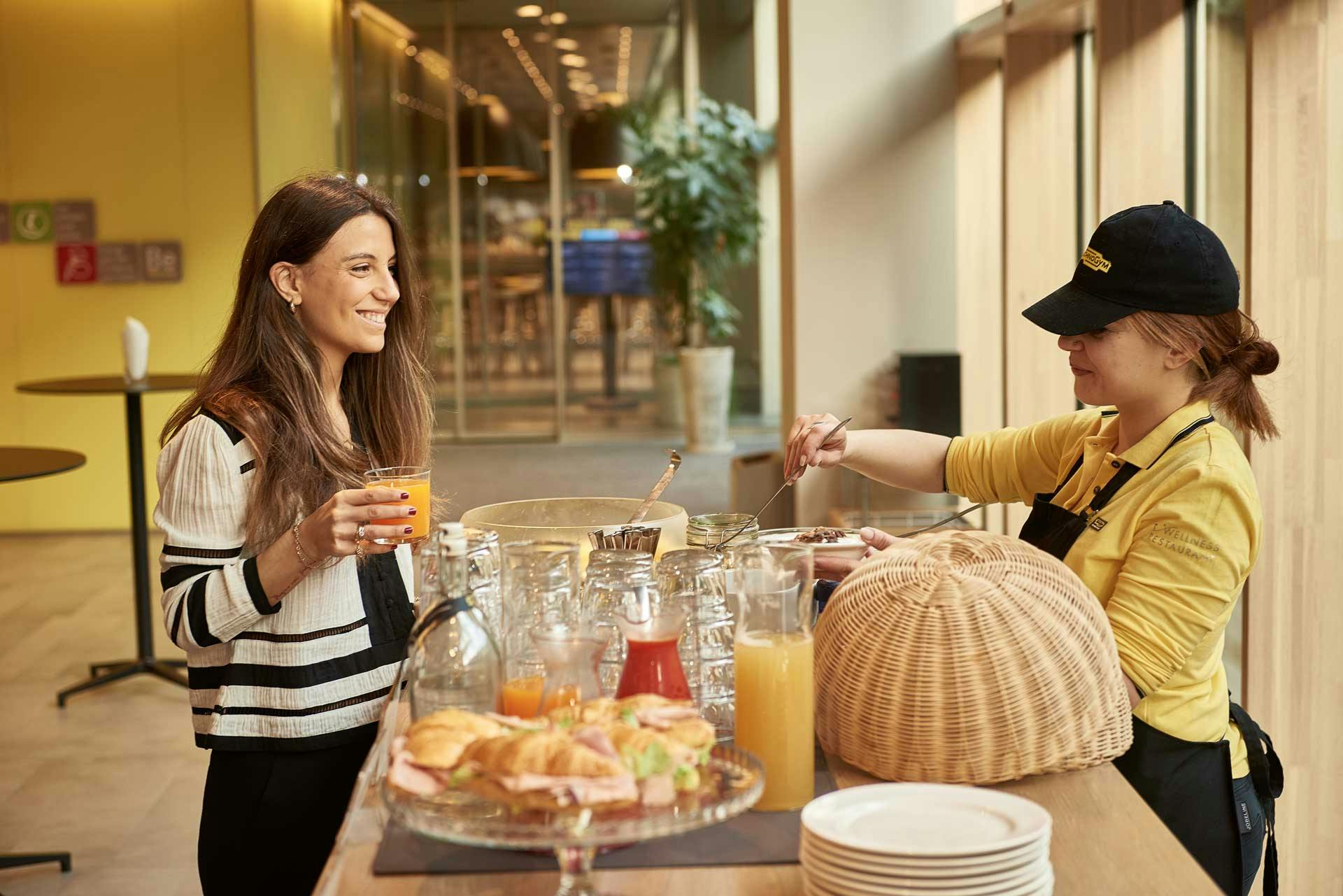
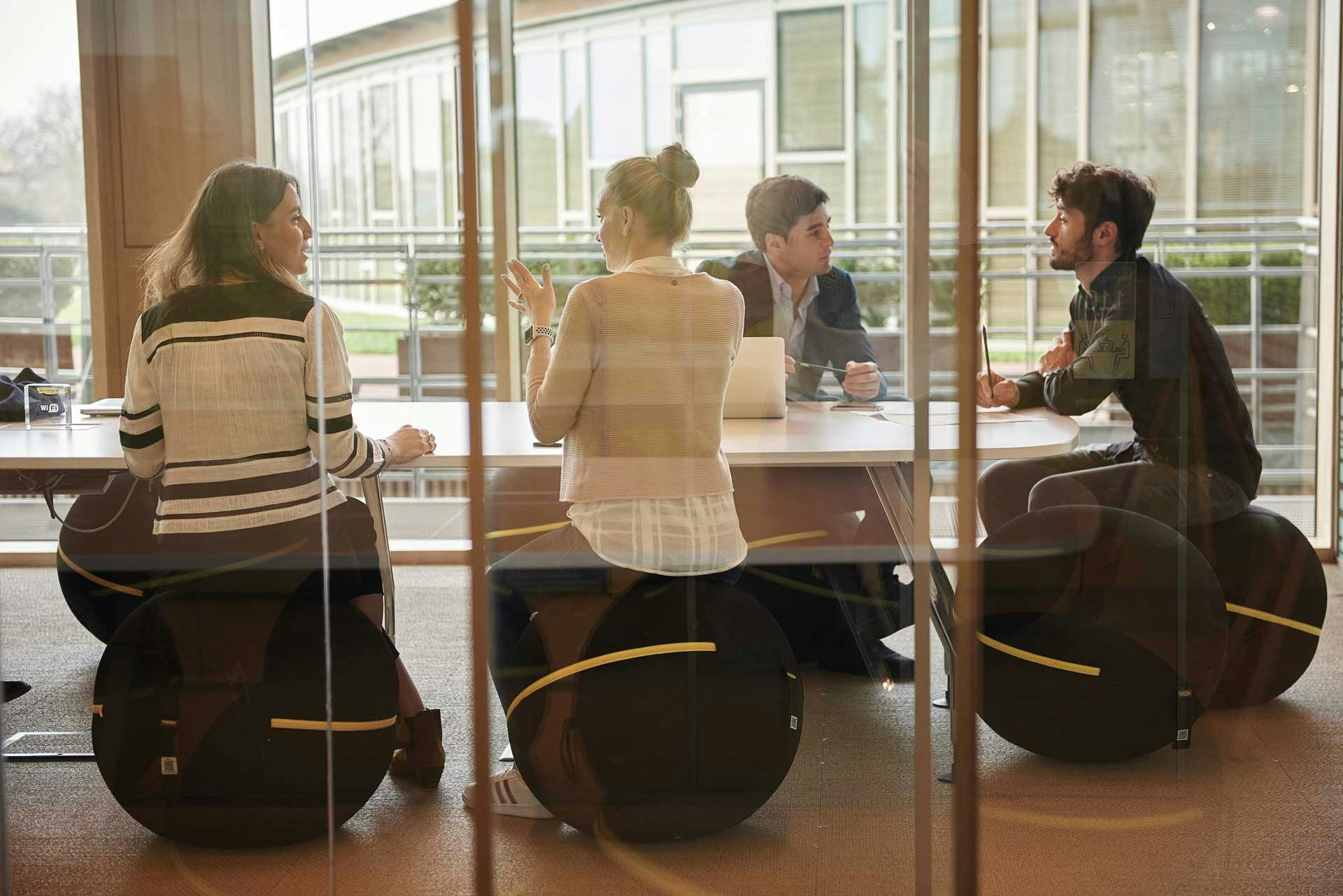
Sara’s routine is similar to that of many others, but it’s different from Martina’s. Martina works for a Milan-based company that has chosen to invest in people’s well-being through a work culture that supports healthy lifestyles.
At the end of her day, Martina still has the energy to go for a walk in the park, cook something healthy, to live. Not because her job is easier, but because she’s in an environment that helps her manage it better. She has flexible hours, structured breaks, and the option to work remotely when needed. Her time isn’t squeezed—it’s respected.
She works for a company that has joined WHP Lombardia, a regional program based on the model proposed by the World Health Organization (WHO), which promotes health in the workplace. It’s a concrete initiative that has already involved over 164,580 workers in Lombardy alone, with daily actions that make a real difference: nutrition, movement, stress management, balance.
Martina’s story isn’t an exception—it’s a sign that something is changing. In many Milanese companies, the idea is taking hold that work can inspire and support psychophysical balance.
At her office, short activities are organized every week to break up sedentary habits. Breaks are moments to recharge both body and mind. Healthy eating is part of a company culture that encourages good choices—through training sessions, small changes in the cafeteria, and partnerships with local stores and eateries.
And when stress takes over—because it does, and that’s acknowledged—there are concrete tools to face it: psychological support, emotional management training, active listening. These are not trendy perks, but long-term initiatives designed to make an impact.
Sara and Martina have been friends for a long time. They studied together at university and often talk about their lives and daily challenges. Martina shares how, thanks to a work environment that prioritizes people’s well-being, she’s able to maintain a healthier balance between her professional and personal life. Flexible hours, structured breaks, and wellness-focused training sessions allow her to better manage her energy and make time for herself.
This contrast with the frenzy and exhaustion that Sara experiences daily brings a clear idea to light: it’s possible to change the work culture, to give people back control over their days and the ability to take care of themselves.
Often, during their conversations, Sara and Martina talk about how they envision their lives in the coming years.
“In 2030, I’d like to still be where I am now,” says Martina. “Maybe with a bit more responsibility, but still in an environment that makes me feel good.”

Sara listens and smiles. “I hope I can have a life like yours. To wake up without already feeling tired, to work in a place that leaves space for me.”
Simple, yet profound desires. They speak of a city—Milan—and the future it can choose to build, and is already starting to build.
The Milano Wellness City 2030 project was born with this very vision: to make Milan the capital of physical and psychological well-being—a city where people can live and work in balance. A possible future, where work supports and promotes healthy lifestyles. A future in which even Sara can come home and finally feel that her day isn’t over—it’s just beginning.